The Floor of the Earth
A late December respite among the badlands.
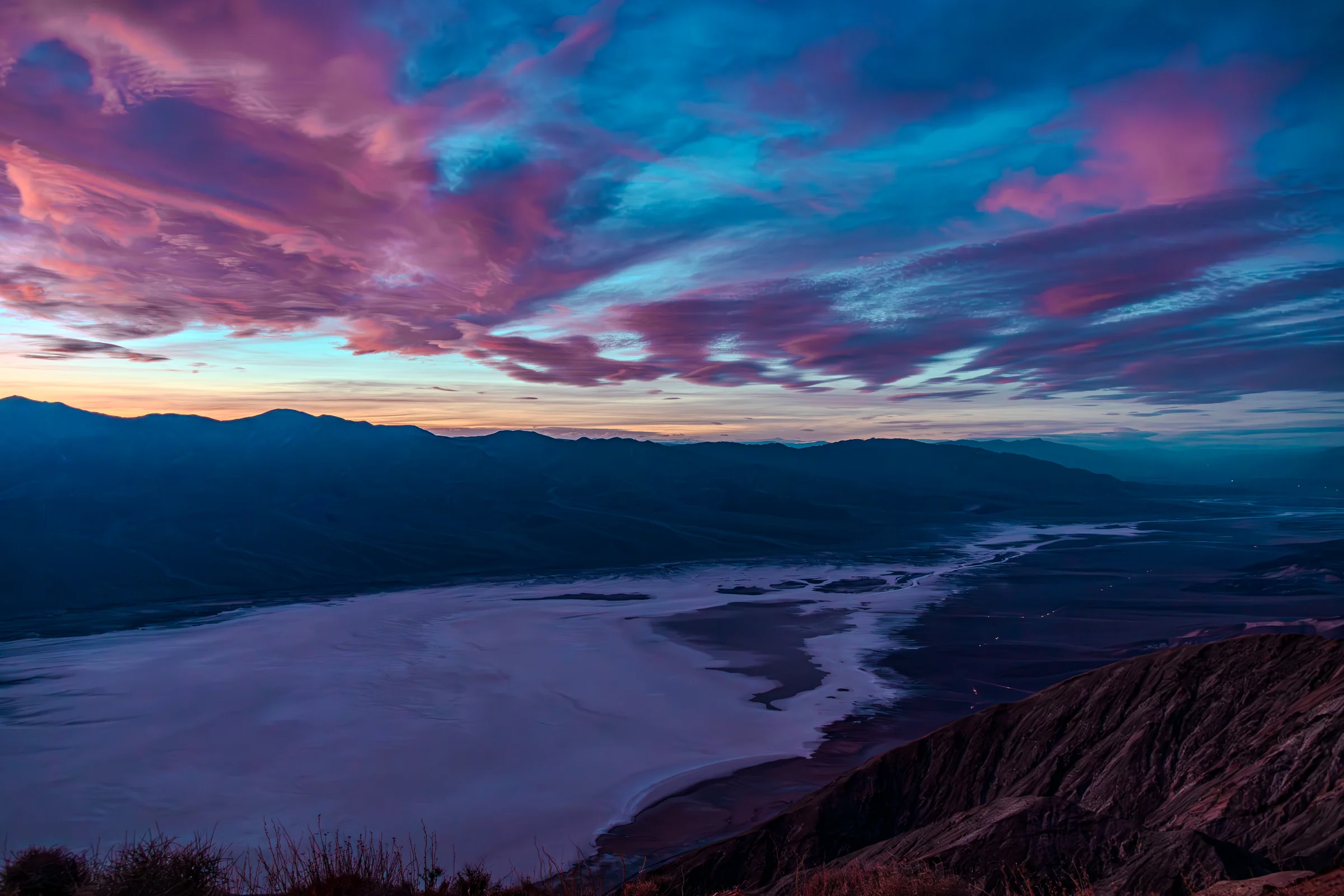
The wind moving across the lip of Ubehebe Crater carries a sharp, biting chill in late December. Standing on the rim, zipped tightly in heavy fleece, the sheer scale of the geology below takes over. The basin is a massive, sudden void in the desert floor, its steep interior walls coated entirely in coarse, dark volcanic ash that absorbs the weak winter light.
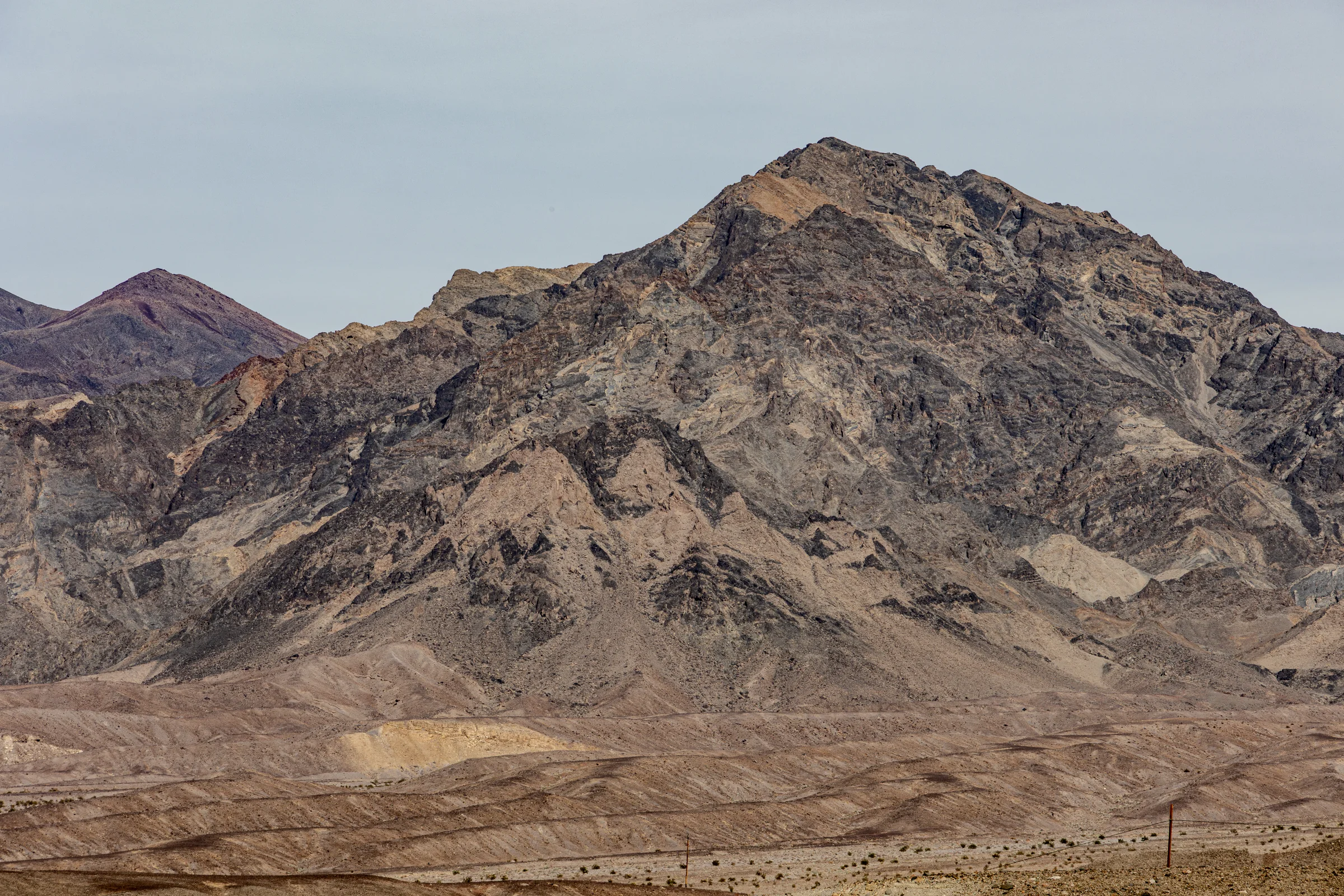
Beyond the crater, the landscape rolls out into a sprawling, chaotic maze of folded clay and cracked salt pans. Without the blinding, suffocating heat that usually commands the valley, the environment opens up. The sun-bleached badlands of Zabriskie Point and the rusted iron ridges of the Black Mountains can be walked slowly, the air quiet and surprisingly still.
The ground itself looks forged rather than formed. Every surface across the valley floor is defined by stark, absolute extremes: the geometric perfection of the salt polygons at Badwater Basin, the chaotic upheaval of the yellow mudstone, and the deep, permanent shadows cast by the Panamint Range.
As the sun drops behind the western peaks, the weak warmth of the afternoon vanishes instantly. The temperature plummets back toward freezing, pulling a heavy, absolute cold down across the salt flats and leaving the valley floor completely silent.
Gallery
Join the conversation
Have thoughts or reactions to share? Join the conversation on Bluesky.