The Architecture of Deep Time
Walking through a dissolved limestone reef, one drop at a time.
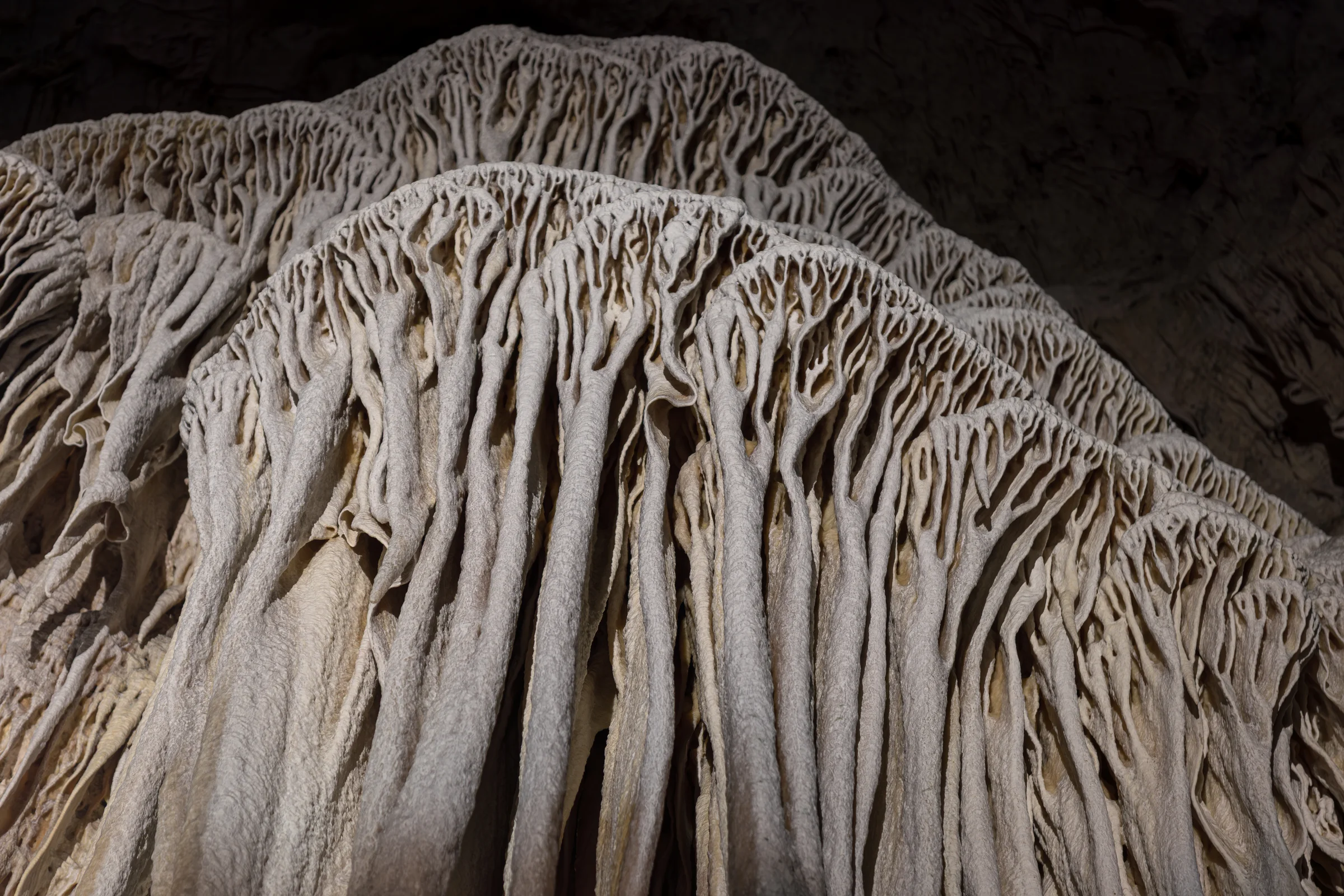
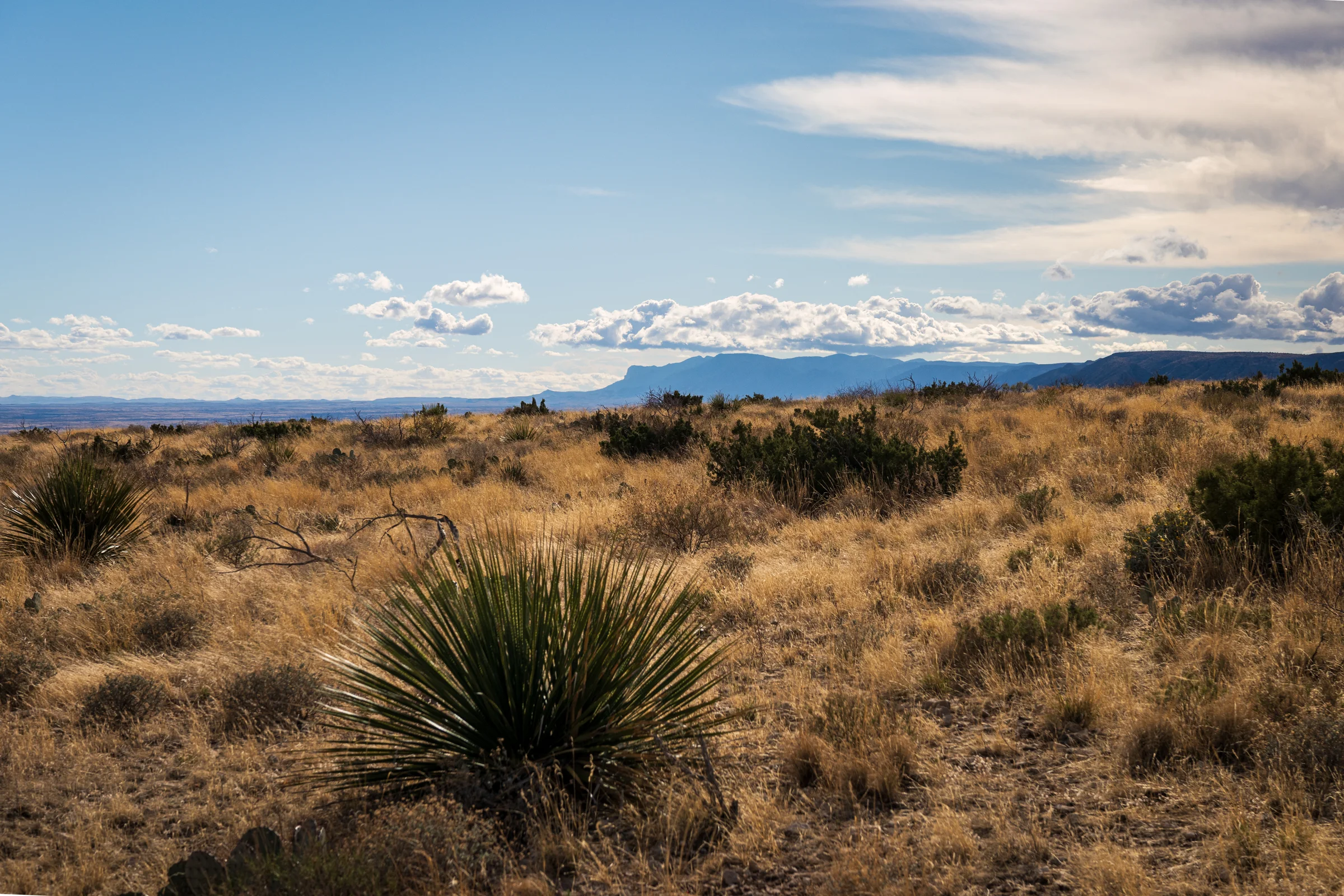
The air hundreds of feet below the surface stays locked at a cool, damp fifty-six degrees, regardless of the desert conditions baking the Chihuahuan scrubland above. It smells distinctly of wet earth and ancient dust. Down here, the concept of daylight is entirely theoretical, replaced by heavy, absolute shadows and a profound stillness that swallows the sound of footsteps.
Moving through the Big Room completely upends any conventional expectation of a cave. There is no claustrophobia; instead, the floor sprawls across fourteen acres of a colossal subterranean chamber, with a ceiling that arches so high it vanishes into the dark. It is a landscape of staggering voids, hollowed out millions of years ago when hydrogen sulfide gas seeped up from deep oil deposits, mixing with groundwater to form sulfuric acid. The acid actively ate away the limestone, leaving behind these cavernous halls.
In the quiet, the sheer scale of time makes itself heard through the steady, echoing drip of water. Every drop falling from the ceiling carries dissolved calcite, building the environment millimeter by millimeter over millennia. Jagged stalactites hang suspended like chandeliers of melted wax, while intricate, rippling flowstones cascade down the walls like frozen waterfalls. The formations crowd the edges of the path in a chaotic, delicate geometry that took thousands of lifetimes to form in total darkness.
Staring across the dim expanse of the cavern floor, the surface world above feels entirely irrelevant. Isolated from weather, seasons, and the sun, the environment down here is governed solely by gravity, water, and an immense, unfathomable patience.
Gallery
Join the conversation
Have thoughts or reactions to share? Join the conversation on Bluesky.